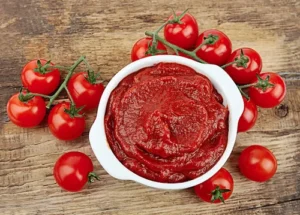

Fruit purees and juice concentrates are highly regarded for their rich flavor, brilliant color, and long shelf life. Whether you use them for smoothies, beverages, desserts, or food manufacturing, proper storage is critical to maintaining freshness, taste, and nutritional content. Knowing how to properly store purees and concentrates will help you avoid spoiling, decrease waste, and get consistent results every time.
Understand the Difference Between Purees and Concentrates
Before keeping these products, it’s crucial to understand what distinguishes them.Fruit purees are often created by blending whole fruits into a smooth consistency while keeping natural fiber. Juice concentrates are created by eliminating superfluous water from fruit juice, yielding a more concentrated flavor. Because of their varied compositions, storage requirements may range significantly, although both are extremely sensitive to temperature, air exposure, and contamination.
Store Frozen Products at the Right Temperature
Frozen purees and concentrates should always be stored at a continuous freezing point of -18°C (0°F) or lower. Maintaining a consistent temperature reduces texture disintegration, flavor loss, and microbiological growth. Avoid frequent thawing and refreezing, since this might reduce quality and result in separation or off-flavors. If you just need a modest amount, divide the product into smaller, more manageable portions before freezing.
Use Airtight and Food-Safe Containers
Exposure to air is one of the biggest threats to freshness. Always store purees and concentrates in airtight, food-grade containers or sealed packaging. Proper sealing helps prevent oxidation, freezer burn, and absorption of other odors.
Label containers clearly with the product name and storage date to ensure proper rotation and avoid unnecessary waste.
Follow Proper Thawing Practices
When it’s time to use frozen purees or concentrates, thaw them slowly in the refrigerator rather than at room temperature. Gradual thawing helps preserve flavor, color, and texture while reducing the risk of bacterial growth.
Once thawed, gently stir the product to restore consistency. Never refreeze thawed purees or concentrates unless the manufacturer specifically states it is safe to do so.
Refrigerate Opened Products Correctly
If purees or concentrates are stored in the refrigerator after opening, they should be kept tightly sealed and used within the recommended timeframe. Most opened products remain fresh for 3 to 7 days when refrigerated properly, depending on the fruit type and processing method.
Always use clean utensils when handling the product to prevent contamination and extend shelf life.
Protect Flavor, Color, and Nutrients
Light, heat, and oxygen can degrade the natural pigments and nutrients in fruit products. Store purees and concentrates away from direct light and heat sources, even when refrigerated. Maintaining proper storage conditions ensures vibrant color, fresh taste, and maximum nutritional benefit.
Rotate Stock Using FIFO Method
For bulk users and food businesses, following the First In, First Out (FIFO) method is essential. Use older stock before newer batches to maintain freshness and reduce spoilage. This practice is especially important when handling large quantities.
Watch for Signs of Spoilage
Even with proper storage, it’s important to inspect products before use. Discard purees or concentrates if you notice:
- Unusual odors
- Mold growth
- Significant color changes
- Sour or off taste
When in doubt, it’s always safer to discard the product.
Conclusion
Fruit purees and juice concentrates require proper storage to maintain their quality, flavor, and safety. By maintaining proper temperatures, utilizing airtight containers, exercising excellent hygiene, and adhering to specified usage durations, you may enjoy continuous freshness while saving waste and costs. Whether you’re a home user or a business owner, these easy storage practices ensure that you get the most value and performance from every product.