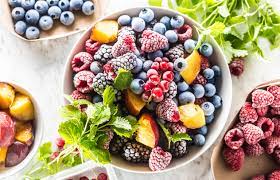

In today’s competitive food and beverage market, consumers are increasingly drawn to products that are natural, clean-label, and visually appealing. Fruit purees have become a powerful ingredient for food businesses looking to innovate while meeting these expectations. Made from real fruits, fruit purees offer natural sweetness, vibrant color, and nutritional value, making them ideal for developing modern food products across categories such as beverages, desserts, sauces, and snacks.
Why Fruit Purees Are a Smart Choice for Product Development
Fruit purees allow businesses to enhance both flavor and appearance without relying on artificial additives. Because they use the whole fruit, purees retain fiber, vitamins, and antioxidants, which appeal to health-conscious consumers. They also help brands position products as premium and natural, aligning with current market trends for transparency and wholesome ingredients.
Selecting the Right Fruit Puree for Your Product
Choosing the right fruit puree is critical to product success. Different fruits offer varying levels of sweetness, acidity, and color intensity. For example, mango and banana provide smooth texture and natural sweetness, while berries add tartness and rich color. It’s important to test purees in small batches to understand how they interact with other ingredients and how their flavor evolves during processing.
Using Fruit Purees to Enhance Flavor Profiles
Fruit purees are excellent for creating layered and balanced flavors. They can be used as a primary ingredient or as a subtle enhancer to complement other components. In beverages, fruit purees add depth and mouthfeel, while in sauces and desserts, they contribute natural sweetness and aroma. Pairing fruit purees with spices, herbs, or dairy alternatives can help businesses create unique and memorable products.
Improving Texture and Mouthfeel
One of the biggest advantages of fruit purees is their ability to improve texture. In yogurts, smoothies, and frozen desserts, purees create a smooth and creamy consistency. In baked goods and fillings, they add moisture and richness. This versatility allows businesses to improve product quality without adding artificial thickeners or stabilizers.
Leveraging Natural Color for Visual Appeal
Visual appeal plays a major role in consumer purchasing decisions. Fruit purees provide vibrant, natural colors that make products stand out on shelves. Strawberry and raspberry purees add appealing reds and pinks, while mango and peach offer warm yellow tones. Using fruit purees as natural color sources also supports clean-label claims and builds consumer trust.
Supporting Clean-Label and Health-Focused Trends
Modern consumers actively look for products with simple, recognizable ingredients. Fruit purees help food businesses reduce reliance on artificial colors, flavors, and refined sugars. They can be highlighted on packaging as a natural ingredient, strengthening health-focused messaging and meeting regulatory and consumer expectations.
Practical Tips for Consistency and Shelf Stability
For successful product development, consistency is key. Using standardized, high-quality fruit purees ensures uniform taste and color across batches. Proper storage, temperature control, and adherence to shelf-life guidelines help maintain quality. Businesses should also consider how processing methods such as heating or freezing may affect flavor and color, and adjust formulations accordingly.
Scaling Production with Fruit Purees
Fruit purees simplify scaling from small batches to commercial production. Their ready-to-use format reduces preparation time and labor costs. For food businesses planning to expand, working with reliable suppliers ensures steady availability and consistent quality, which is essential for long-term growth.
Conclusion
Fruit purees offer food businesses a versatile, natural, and consumer-friendly ingredient for product development. They enhance flavor, texture, color, and nutritional value while supporting clean-label positioning. By choosing the right purees and using them thoughtfully, food brands can create innovative products that appeal to modern consumers and stand out in a crowded marketplace.